

From Disaster to Opportunity: Rebuilding Outdoor Recreation in the North Umpqua Corridor
October 15, 2026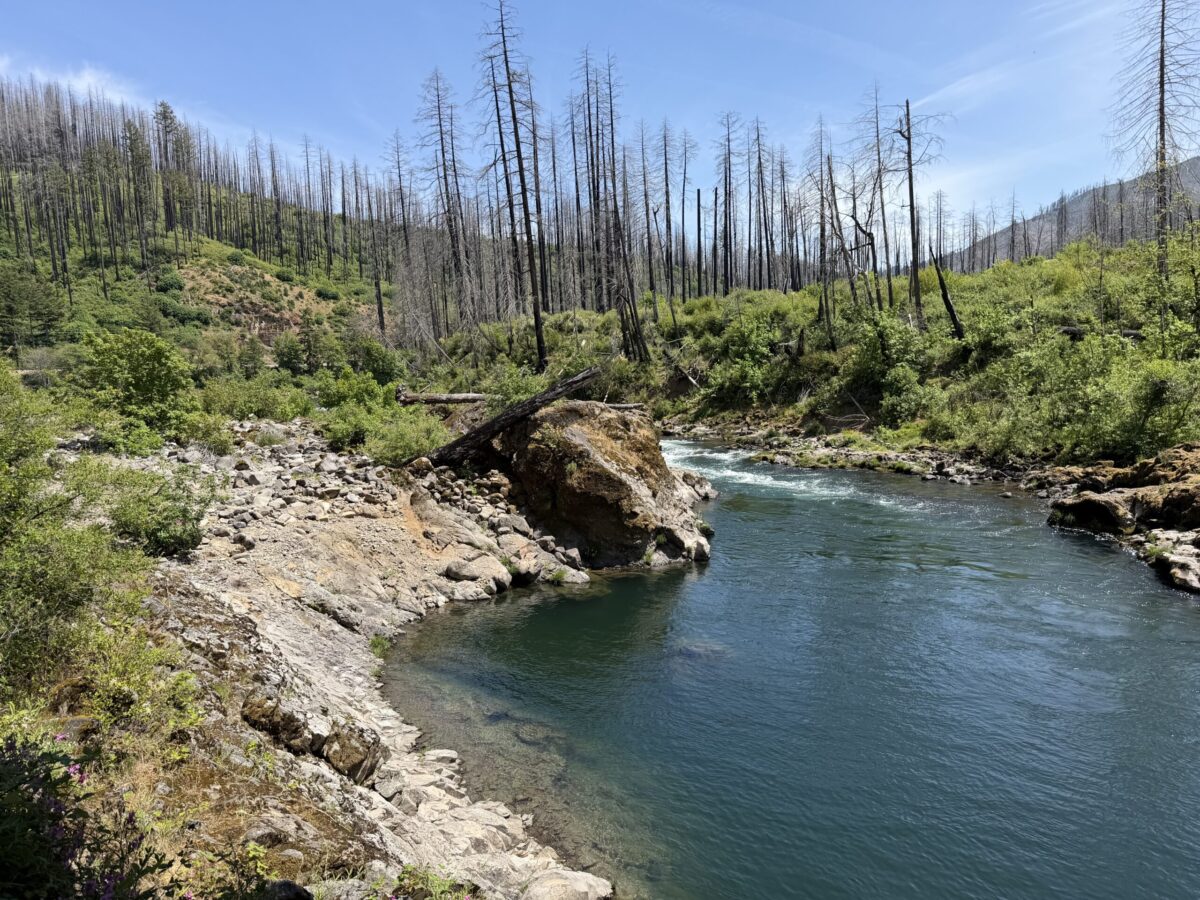
Summer wildfires in the Pacific Northwest bring more than smoke and destruction; they also severely disrupt travel patterns, which can significantly affect a community’s economic well-being. For example, Bend, Oregon, lost an estimated $472,200 in economic impact due to sustained declines in air quality over a five-year period*. These losses escalate when wildfires destroy critical visitor infrastructure, prolonging impacts for years.
In 2020, the Archie Creek Fire devastated roughly 130,000 acres in and around Glide, Oregon, destroying over 100 homes and severely wiping out or damaging key recreation assets in the North Umpqua Corridor, a nationally significant recreation destination. Today, large portions of the iconic 79-mile North Umpqua Trail remain closed due to downed hazard trees and damaged segments, and other popular trails and river access points are still in disrepair. Instead of despair, residents and local land managers chose to act.
GETTING STARTED, TOGETHER
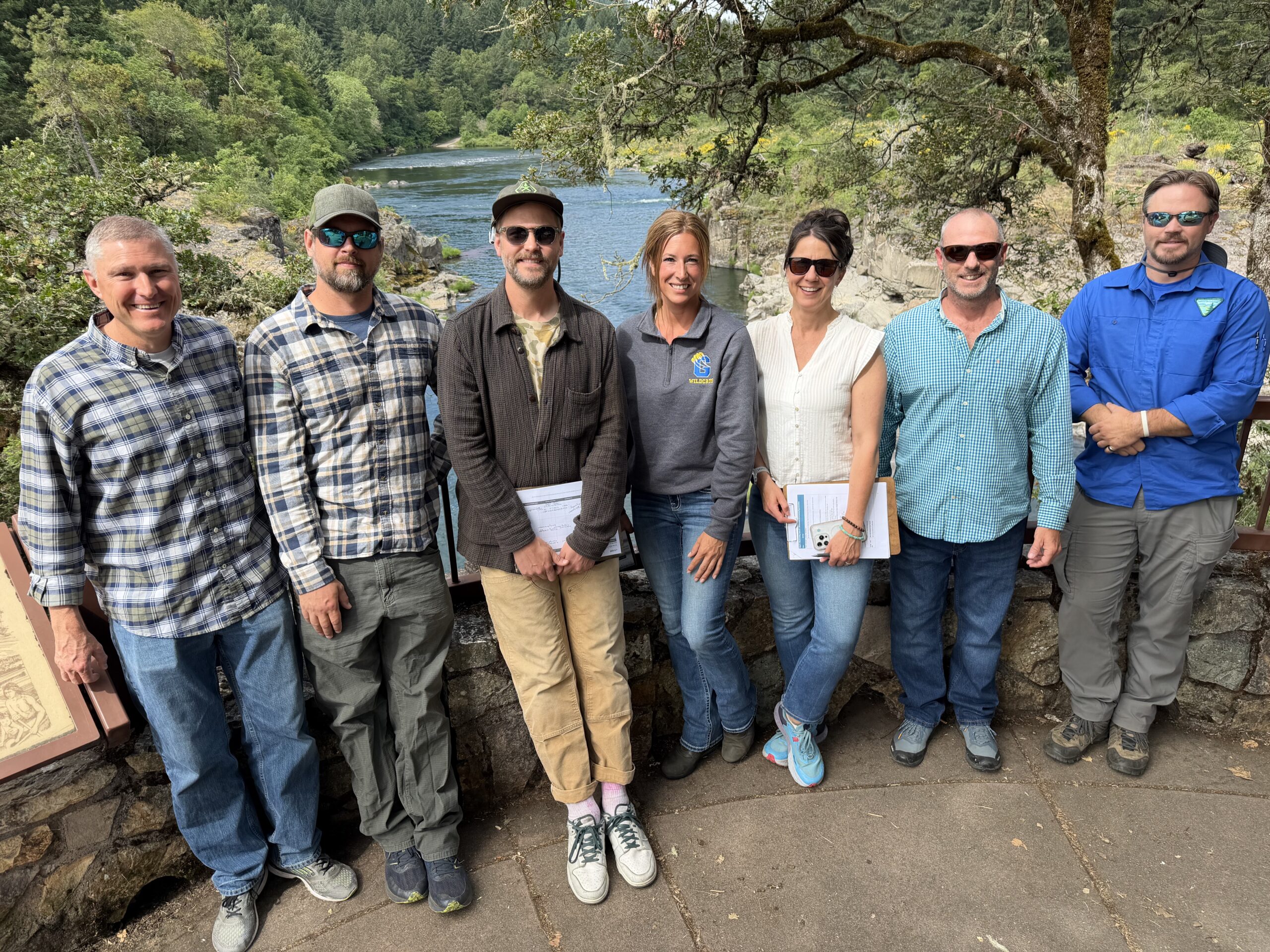
Seeing an opportunity to restore and elevate their outdoor recreation experience, Glide Revitalization hired Crosscurrent Collective to bring together a coalition of local agencies, nonprofits, and community members for a region-wide revitalization effort. The group set out to answer key questions:
- What is the current state of our recreation assets?
- Which assets are central to our community identity and must be prioritized for restoration?
- How can we enhance the overall outdoor recreation experience for both locals and visitors as we rebuild?
USING DATA TO SET PRIORITIES
We paired those conversations with a custom outdoor recreation participation survey completed by 225 locals and visitors. The results reinforced a strong preference for restoring and maintaining existing recreation assets, particularly trails, while also highlighting opportunities to expand mountain biking options, improve river access, and provide better information for people planning trips through the corridor.
Together, the research and community input shifted the conversation from simply replacing what was lost to building a more robust recreation system informed by users and community values.
MOVING INTO ACTION AND SHARED STEWARDSHIP
The resulting strategy identifies a practical path forward. Priorities include reconnecting the entire North Umpqua Trail, advancing targeted river-access improvements, and making recreation information easier to find. It also aims to position Glide more intentionally as the western gateway to the North Umpqua – giving visitors more reasons to stop, stay, and support local businesses.
Just as important, the strategy recognizes that no single organization can do this work alone. One initial priority is to establish a North Umpqua Outdoor Recreation Collaborative to unite public agencies, nonprofits, recreation groups, and local partners so they can coordinate project implementation, pursue additional funding, and share responsibility for the region’s long-term development as an outdoor recreation destination. Crosscurrent looks forward to facilitating this new collaboration and continuing to work alongside local partners to accelerate implementation.
Want to discuss your community’s needs? Please reach out at info@crosscurrentcollective.com.
* Source: OSU Sustainable Tourism Lab