

Dispatch from the Edge: What a Remote Alaskan Town Can Teach Us About Economic Resilience
June 17, 2026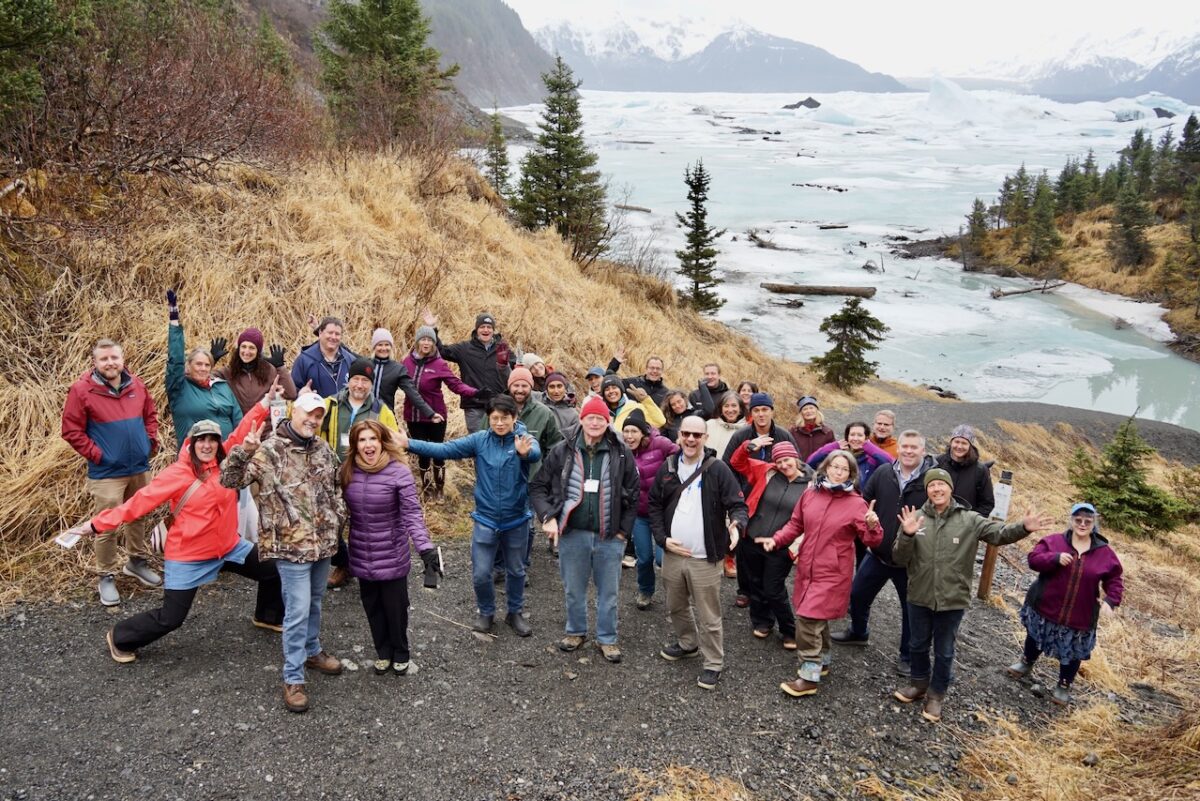
Last month, I had the privilege of attending Innovate Cordova—an incredible weekend-long gathering hosted by the remote coastal community of Cordova, Alaska (pop. 2,300).
Led by U.S. Senator Lisa Murkowski, the event brought together public, private, and philanthropic leaders to tackle a critical question: How do coastal communities build a future in an era of unprecedented change?
Over 48 interactive hours, the conversation spanned fisheries health, telecom infrastructure, marine carbon sequestration, and regenerative tourism. Through it all, the resounding sentiment from the community was one of fierce resilience: “We got this.”
Facing the Headwinds
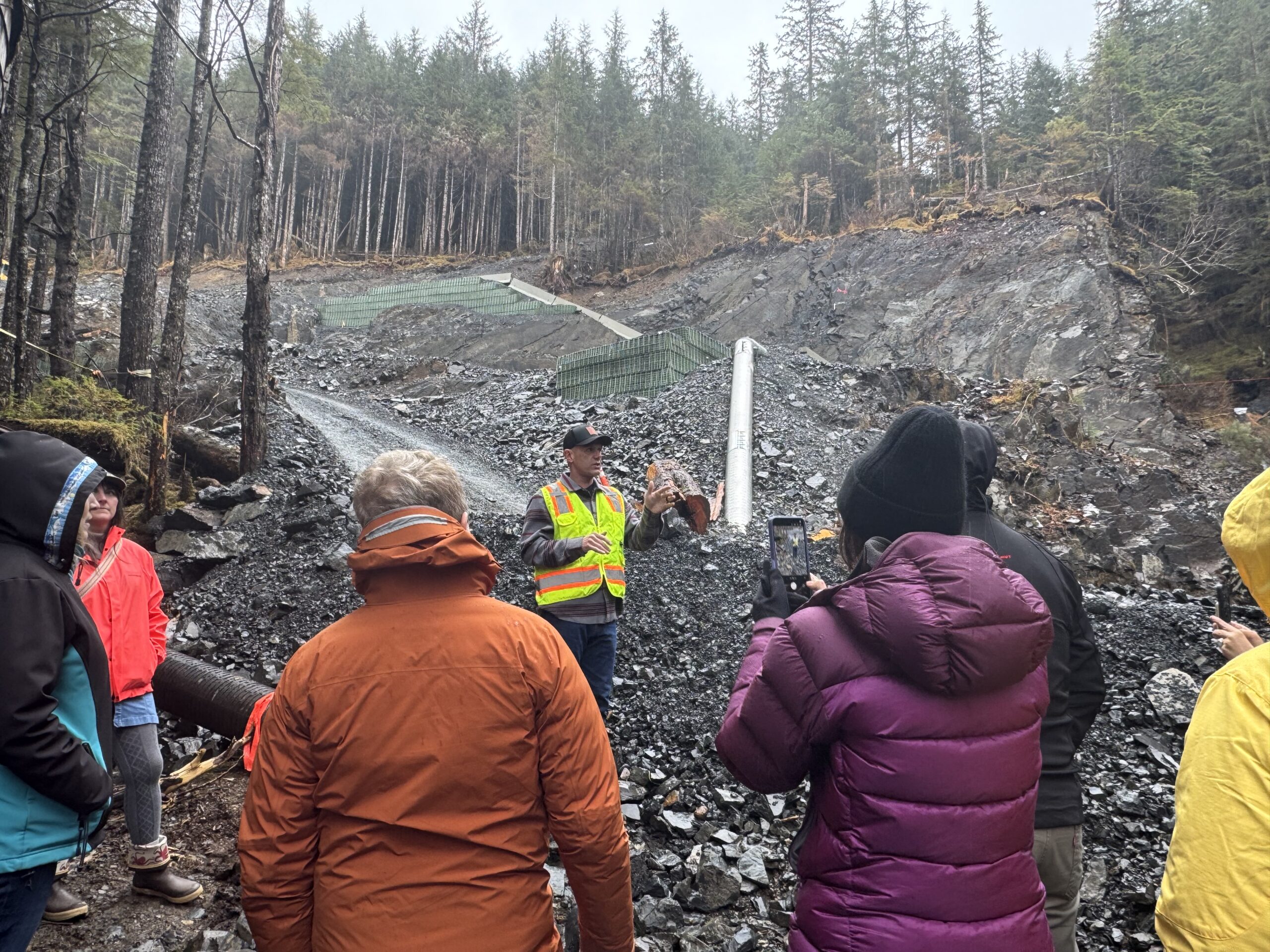
Cordova is no stranger to adversity. This is a community that persevered through the 1964 Great Alaska Earthquake and the devastating 1989 Exxon Valdez oil spill. Today, they face a new kind of crisis: severe fluctuations in their core commercial fishing industry, driven by global political dynamics and climate uncertainty.
Naturally, economic transition sparks debate. In Cordova, some residents are hesitant about pursuing tourism, fearing it might dilute their identity or overrun their town. But community leaders see a different opportunity.
They don’t want tourism to replace their heritage; they want it to showcase and support it.
Tourism as a Layer, Not a Lifeline
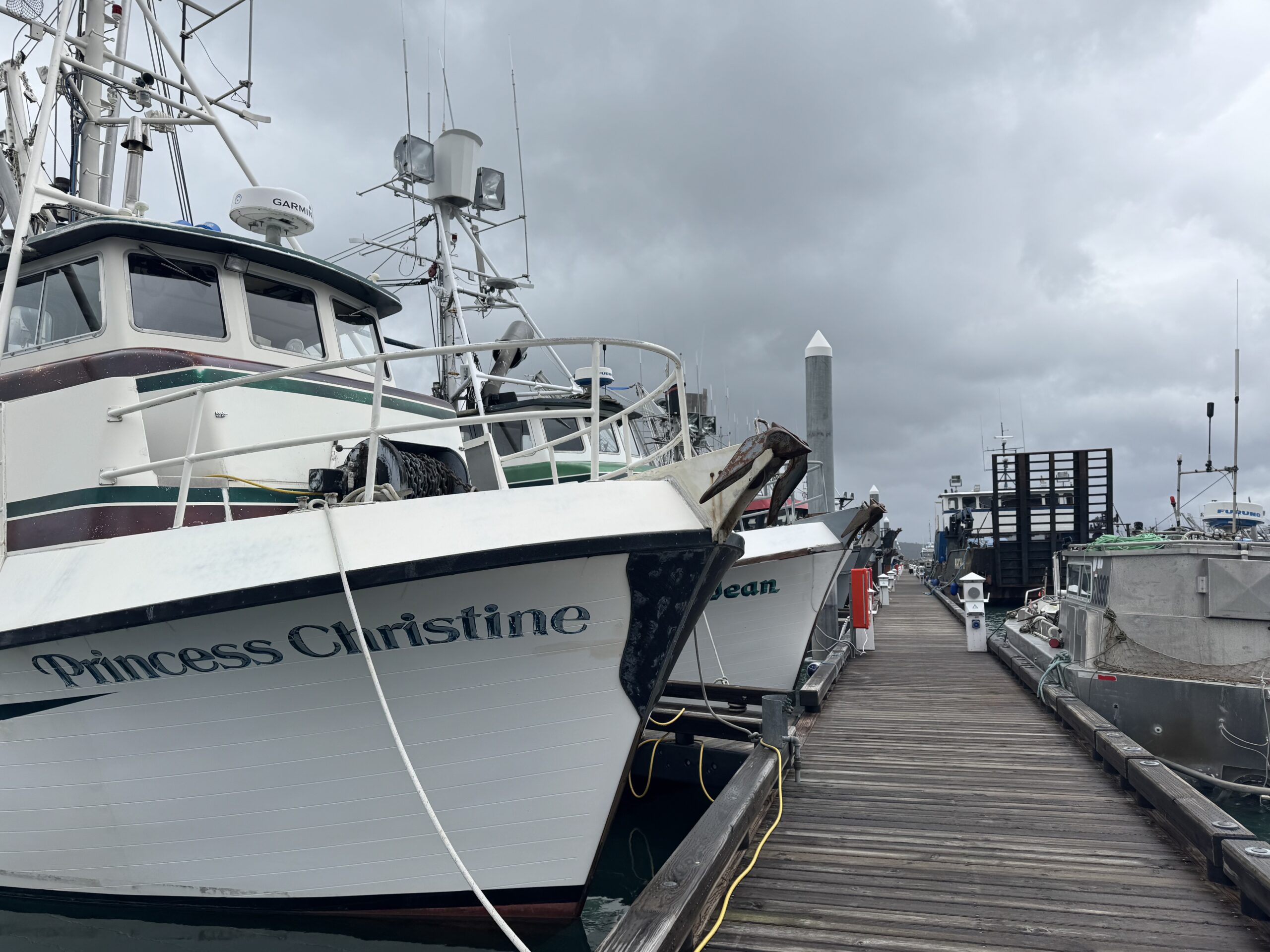
By inviting visitors into their world, Cordova can add a vital layer of economic activity that amplifies their local innovations. For example:
- Educational Tourism: The Cordova Chamber is partnering with the University of Alaska Fairbanks to launch a business development program, training local guides to lead immersive, educational tours centered around sea kelp harvesting and fisheries science.
- The Outdoor Recreation Economy: Cordova, alongside four neighboring communities in Prince William Sound, was recently selected as one of just 25 rural U.S. regions to participate in the EPA’s Recreation Economy for Rural Communities (RERC) program.
Our team at Crosscurrent Collective had the honor of helping Cordova build their regenerative tourism strategy during the pandemic, and we are thrilled to be back on the facilitation team for this next national phase this fall.
The Big Picture
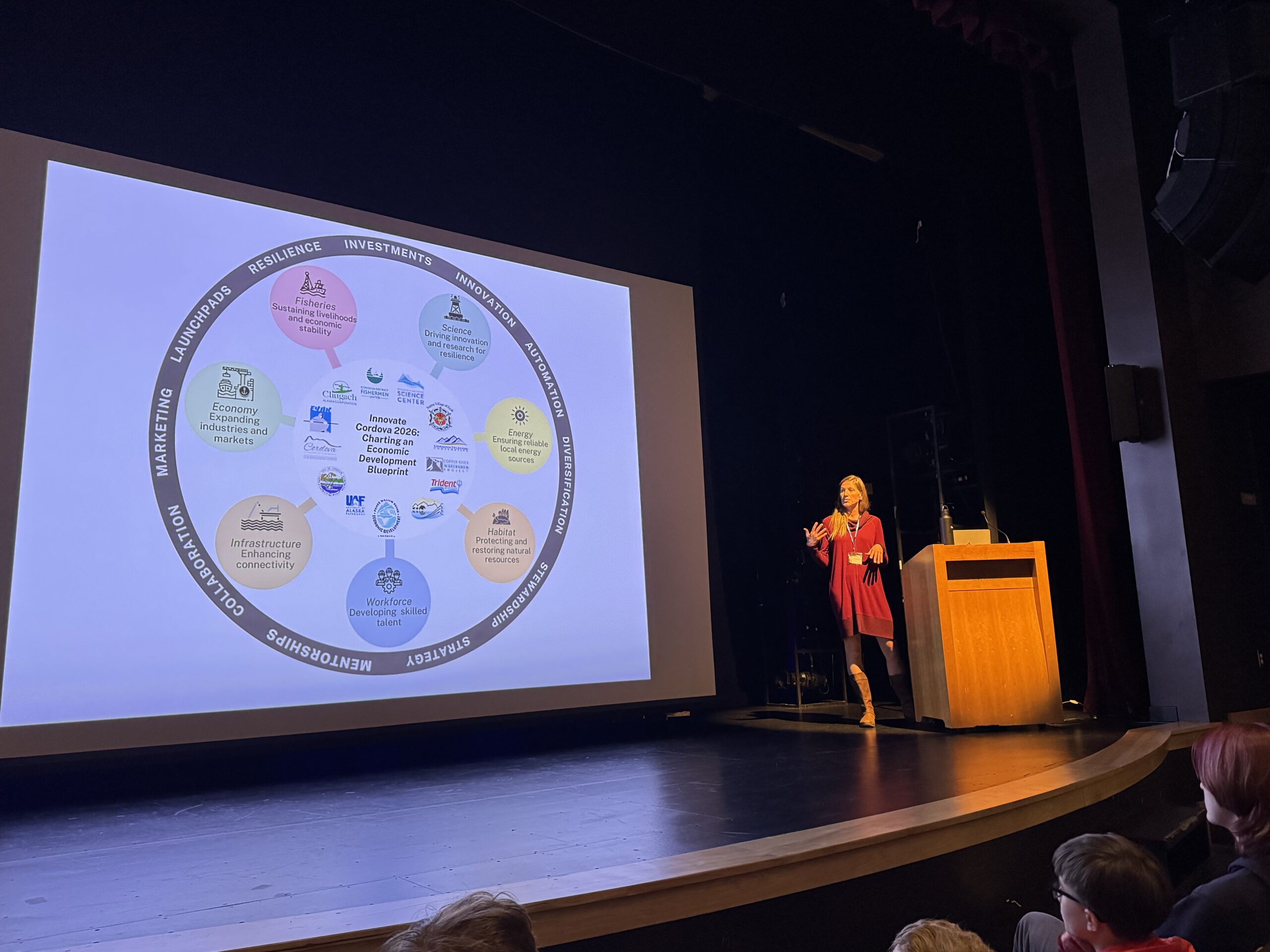
Cordova’s story highlights a fundamental truth about sustainable economic development: Tourism does not have to be an all-or-nothing gamble. It shouldn’t be a community’s sole lifeline, nor should it be rejected out of fear. Instead, regenerative tourism works best as a single, powerful pillar in a highly diversified strategy. When done right, it doesn’t replace the local way of life—it funds, protects, and celebrates it.